← Back to Product + UX Design

VIDEO PROTOTYPING · INTERACTION DESIGN · UX RESEARCH

Schedule Planner

Campus scheduling that accounts for the distance between classes—and the life that happens along the way.

Focus Campus scheduling & navigation Format 3:36 video prototype Approach Hand-drawn storyboarding

Problem

A workable schedule is more than a list of classes.

Students often build schedules without realizing that back-to-back classes may be physically too far apart. They also make everyday decisions—such as getting food between classes—without knowing whether the stop will make them late.
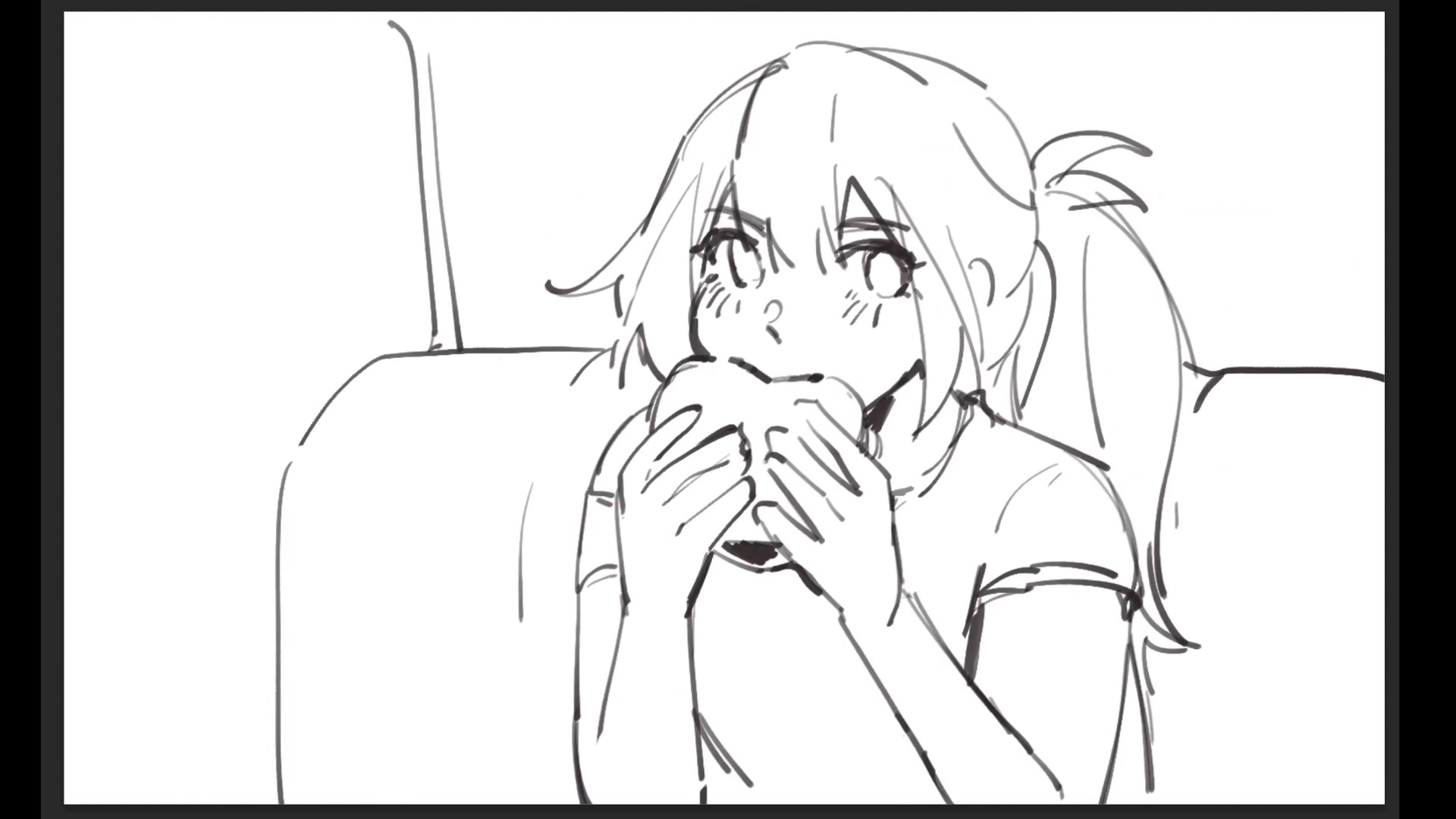
Solution

Connect time, place, and the student’s route.

Schedule Planner links class information with campus navigation to flag difficult transitions, suggest alternative class times, find food along a student’s route, and provide class reminders.

Design process

From scenario to storyboard

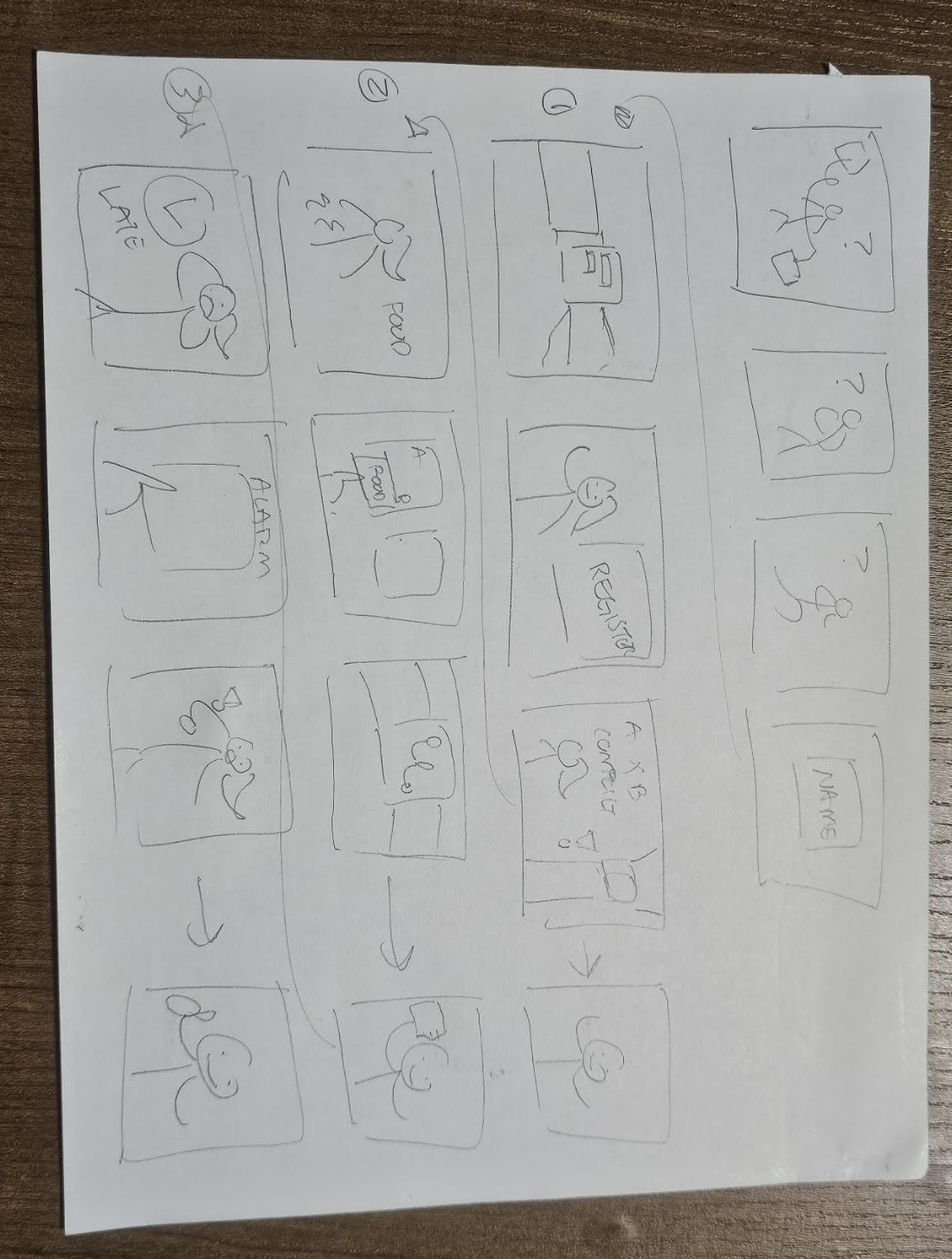
The hand-drawn language keeps the focus on the student journey: planning a schedule, resolving a conflict, choosing a practical food stop, and arriving on time.

Full hand-drawn storyboard showing the Schedule Planner user journey
Full experience storyboard
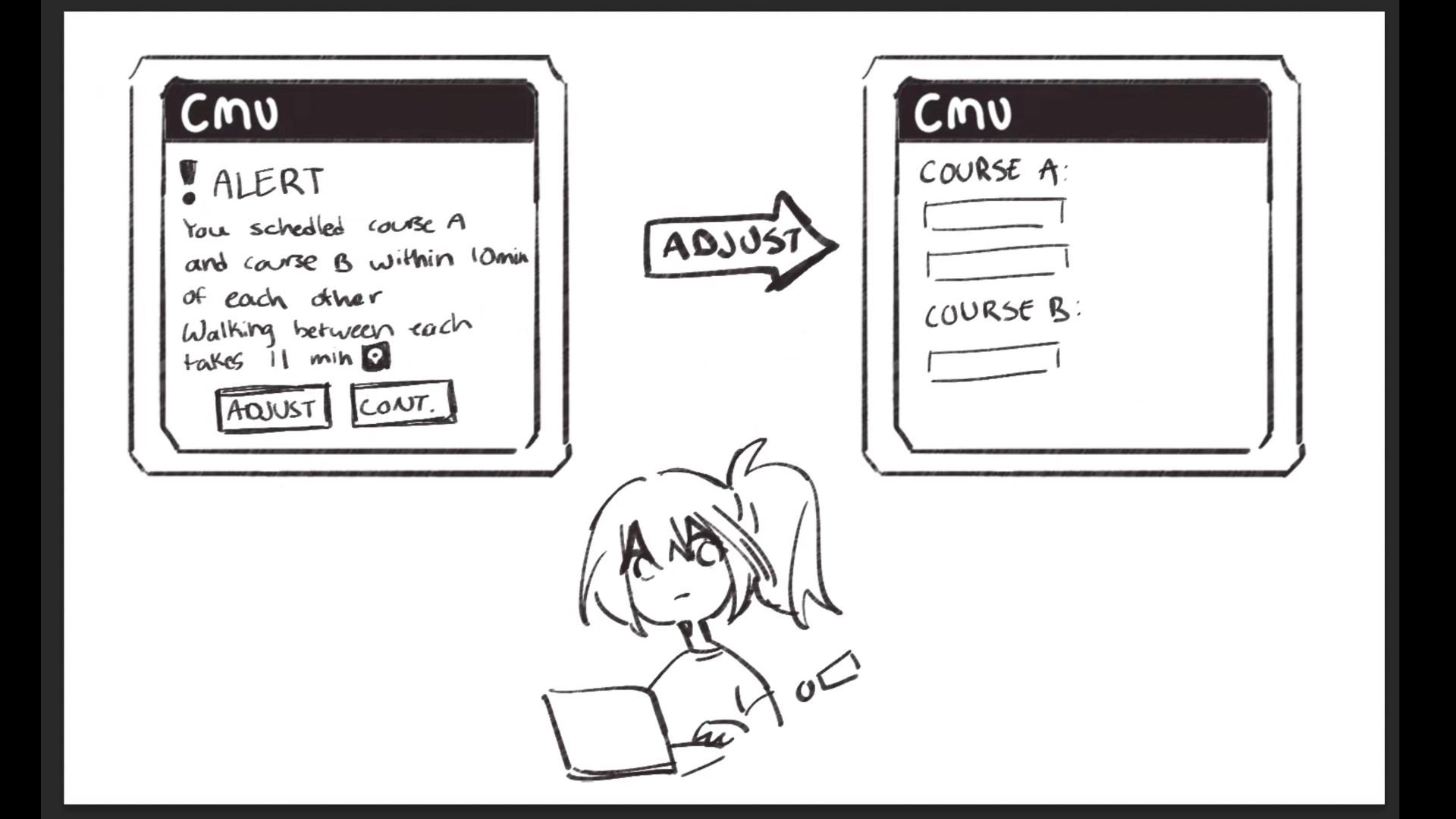
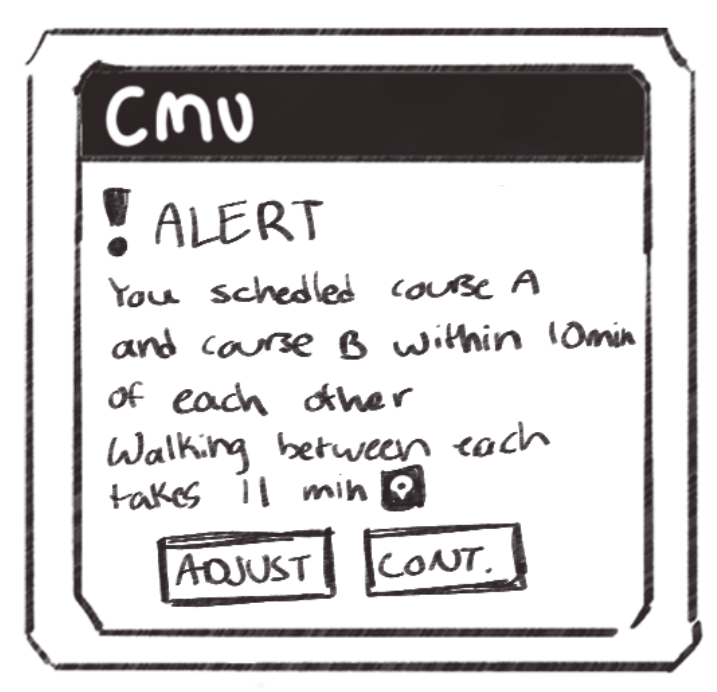
Interface sketch warning that two classes are too close in time
Flag a difficult transition
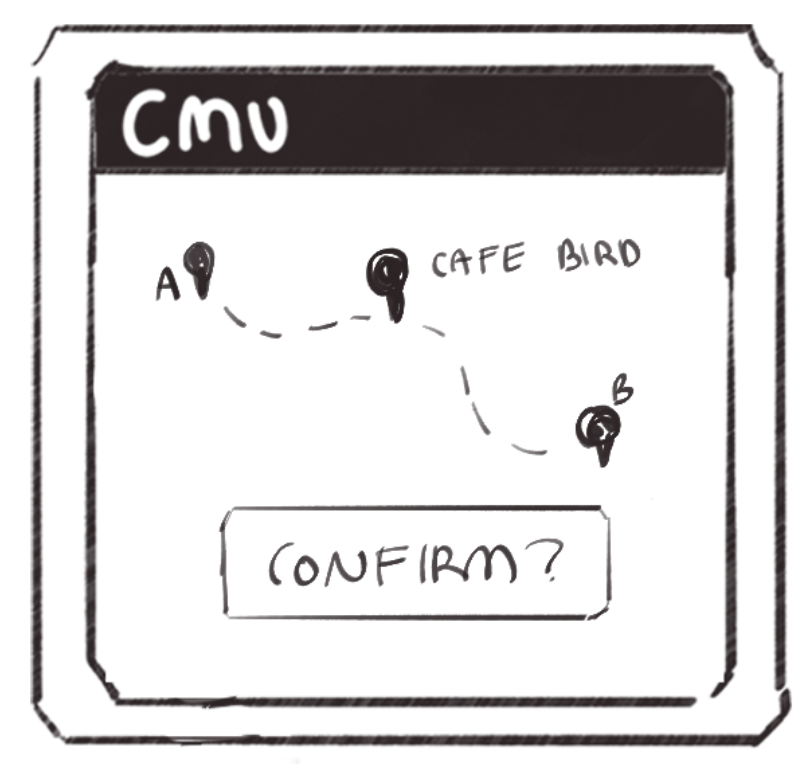
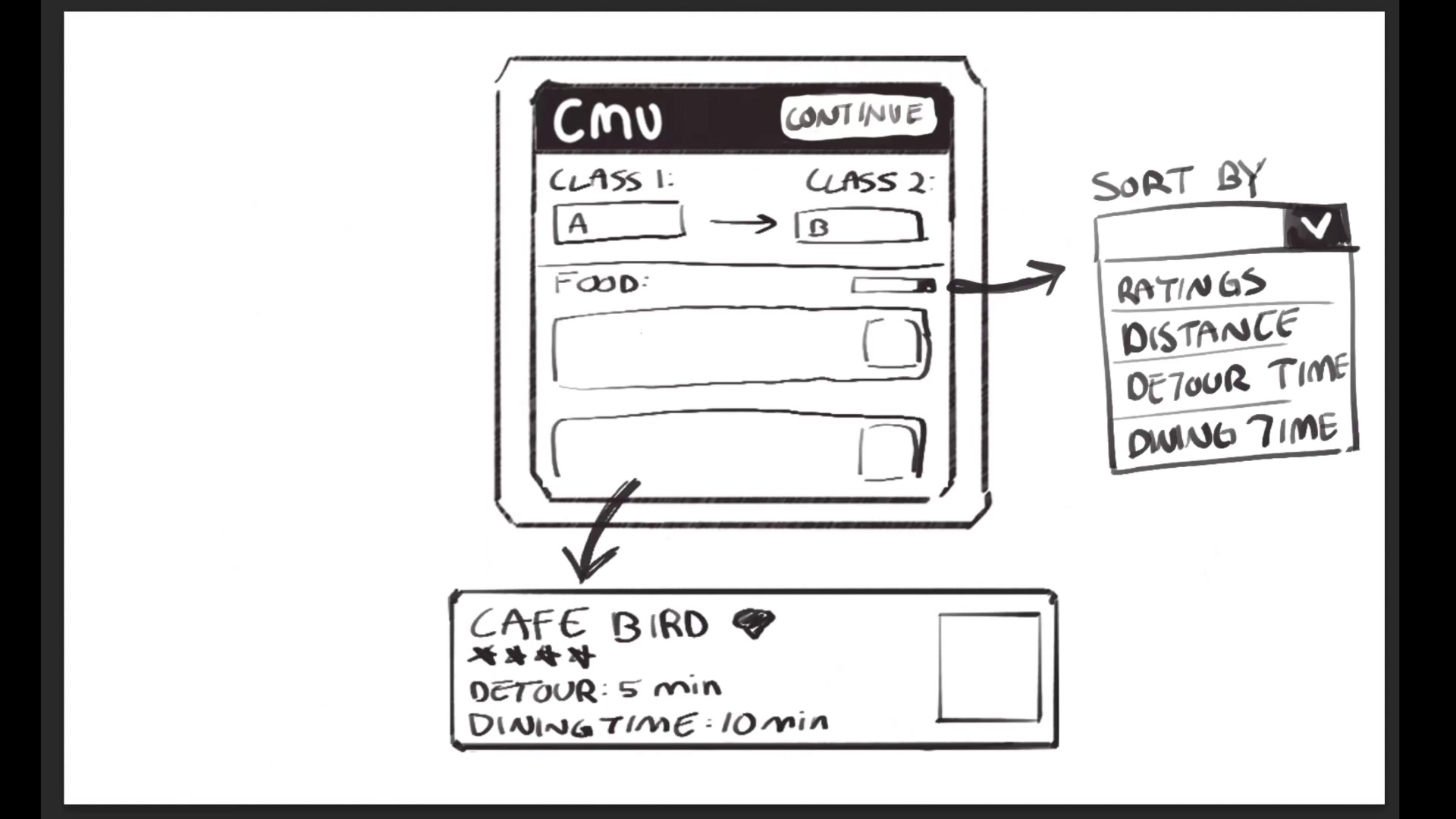
Interface sketch mapping a food stop along the student's route
Plan a useful stop
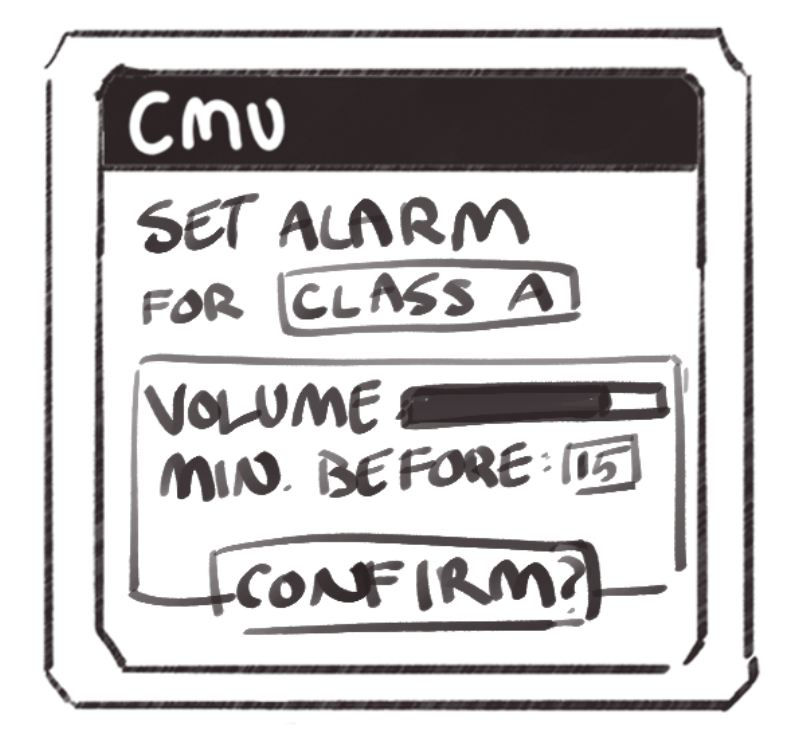
Interface sketch for setting a class reminder
Set a class reminder

Video prototype

See the full student journey

The 3:36 prototype demonstrates the concept through a narrated, hand-drawn scenario rather than a polished interface.

Key interactions

Three decisions, one connected flow

Video frame showing a schedule conflict alert
01

Schedule Conflict

Warn when travel time makes a back-to-back transition unrealistic, then offer a path to adjust the schedule.

Video frame showing food options along the route
02

Food Along Route

Compare nearby food options using distance and dining time without losing sight of the next class.

Video frame showing a class alarm interaction
03

Class Reminder

Set a reminder that supports the final transition from the student’s current activity to class.